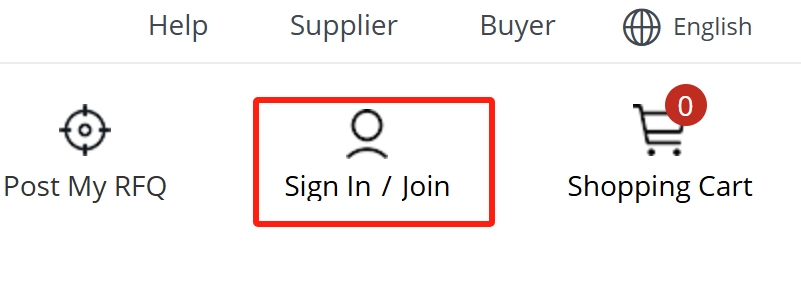
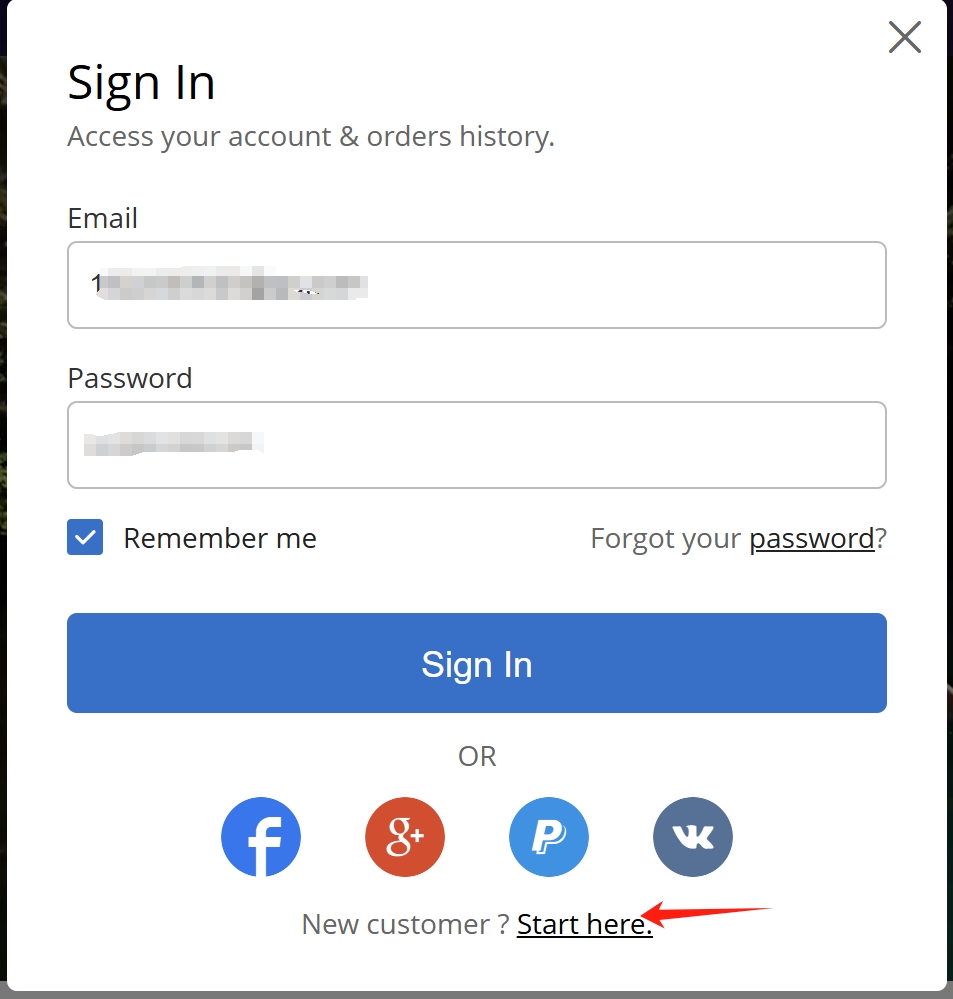
Shopping platforms require users to register before making a purchase for several reasons, including:
Personalized Experience: After registering, platforms can provide personalized recommendations and offers based on the user's shopping history and preferences.
Order Management: Users can easily track and manage their order history, check the status of their orders, and review past purchases.
Secure Payment: Registered accounts allow users to securely store payment information, such as credit cards and shipping addresses, making future purchases more convenient and swift.
Promotions and Discounts: Platforms can send tailored promotions and coupons to users based on their registration information, increasing user retention and sales.
User Feedback: Registered users can leave product reviews and feedback, helping other buyers make purchasing decisions and assisting sellers in improving products and services.
Inventory Management: By registering, platforms can more accurately manage inventory and forecast demand based on user behavior, such as browsing and purchasing patterns.
Legal Compliance: Laws in some countries and regions require e-commerce platforms to collect and store user purchase information for tax and audit purposes.
Fraud Prevention: The registration process can help platforms identify and prevent fraudulent activities, protecting the interests of both the platform and consumers.
After-Sales Service: Registered users can more easily access after-sales services and support, such as returns, exchanges, and repairs.
Community Building: Platforms can build communities with registered users, encouraging participation in discussions and sharing, increasing user engagement and loyalty.
Overall, the registration process not only enhances the user experience but is also an essential tool for e-commerce platforms to manage and operate effectively.